The same material does not behave the same way in two different places. This seems obvious stated plainly, but architecture consistently ignores it — choosing stone, timber, or concrete for their visual properties rather than for what they do in specific climatic and geological conditions.
Limestone in Valencia is pale, porous, warm to the touch even in winter. It absorbs morning light and releases it slowly through the afternoon. Its surface is never entirely uniform — the geological record of the organism that formed it is present in every cut face. Used in a Mediterranean wall, it performs as thermal mass, as acoustic absorber, as chromatic anchor for the warm spectrum of the light around it. It belongs.

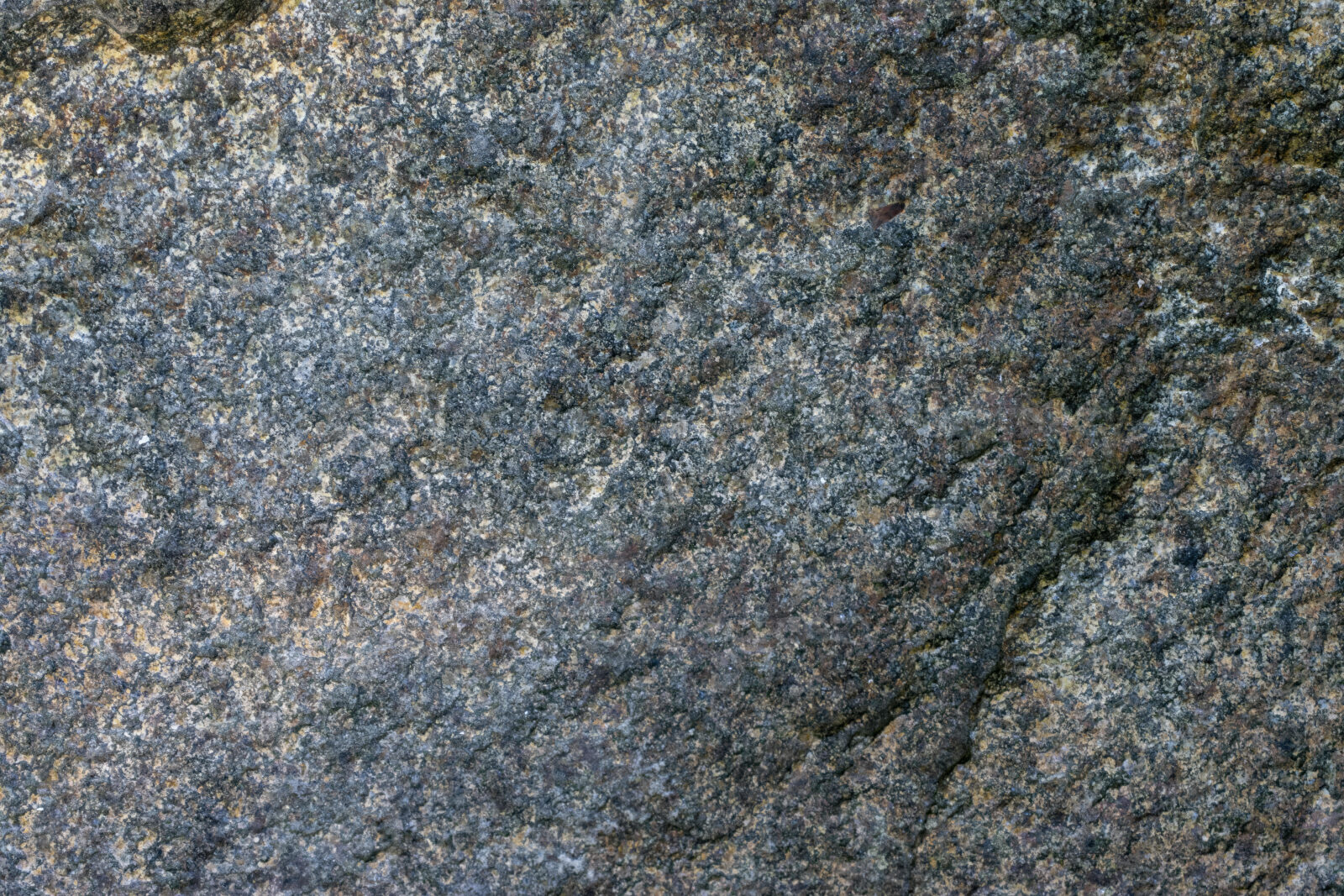
Granite in Galicia is cold, dense, almost black when wet — which it frequently is. It does not absorb light; it reflects it, unevenly, with a granular sparkle that changes with the angle of incidence. Its surfaces age dramatically in the presence of moisture: the biological patina of lichen and moss that covers granite walls in the northwest of the Iberian Peninsula is not a defect but a condition, the material’s natural response to the climate it inhabits. Used in a Galician wall, granite performs as structural mass, as climate boundary, as evidence that the building belongs to a specific geological territory. It belongs.


Neither material belongs in the other place. Limestone in Galicia would turn green and deteriorate rapidly in the constant moisture. Granite in Valencia would read as cold and foreign — a material that does not know how to absorb the southern sun.
The correct material for a building is not the one that looks best in photographs. It is the one that performs correctly in the specific conditions of the place — thermal, hygrometric, seismic, chromatic. Material honesty is not a stylistic position. It is a form of site analysis.
We are building in both climates. The difference between them is not a design problem. It is an instruction.