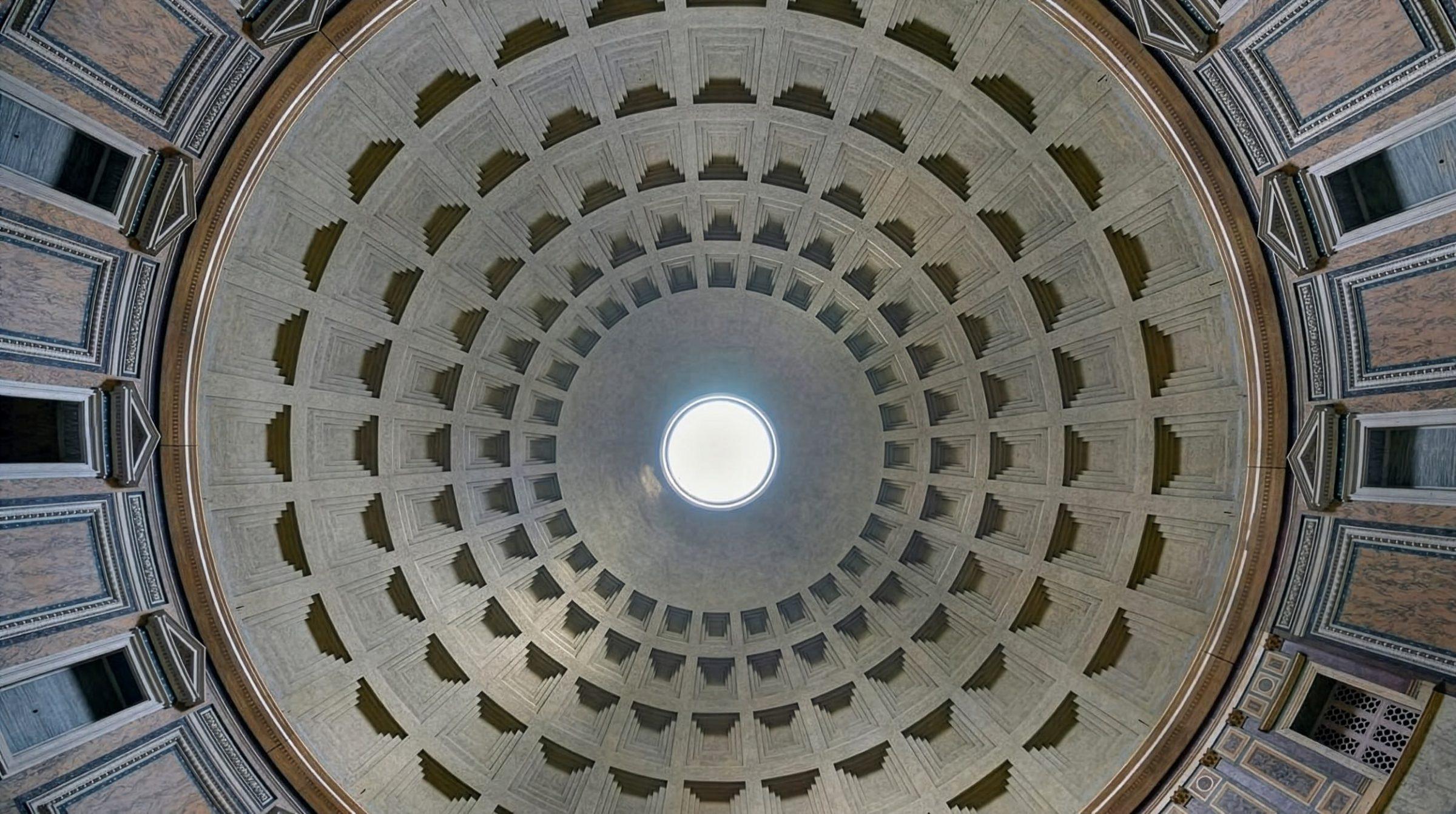
The fundamentals of architecture are not many. They are very few, and they are very old.
Proportion is one of them. Long before architecture was a profession, before there were drawings, before there were architects in any sense we would recognise, builders made decisions about the relationship between a height and a width, between a span and a thickness, between the size of an opening and the size of the wall around it. Those decisions decided everything. A room of the right proportions feels resolved before any ornament arrives. A room of the wrong proportions cannot be saved by any finish, any material, any quality of light.
Composition is the second. The way parts are arranged in relation to each other and to a whole. Not symmetry, which is one of many compositional strategies, but the deeper question of order — what stands at the centre, what stands at the edge, what is repeated, what is unique, where the eye rests, where it moves. A building is composed in plan, in section, in elevation, and in time as it is approached and entered.
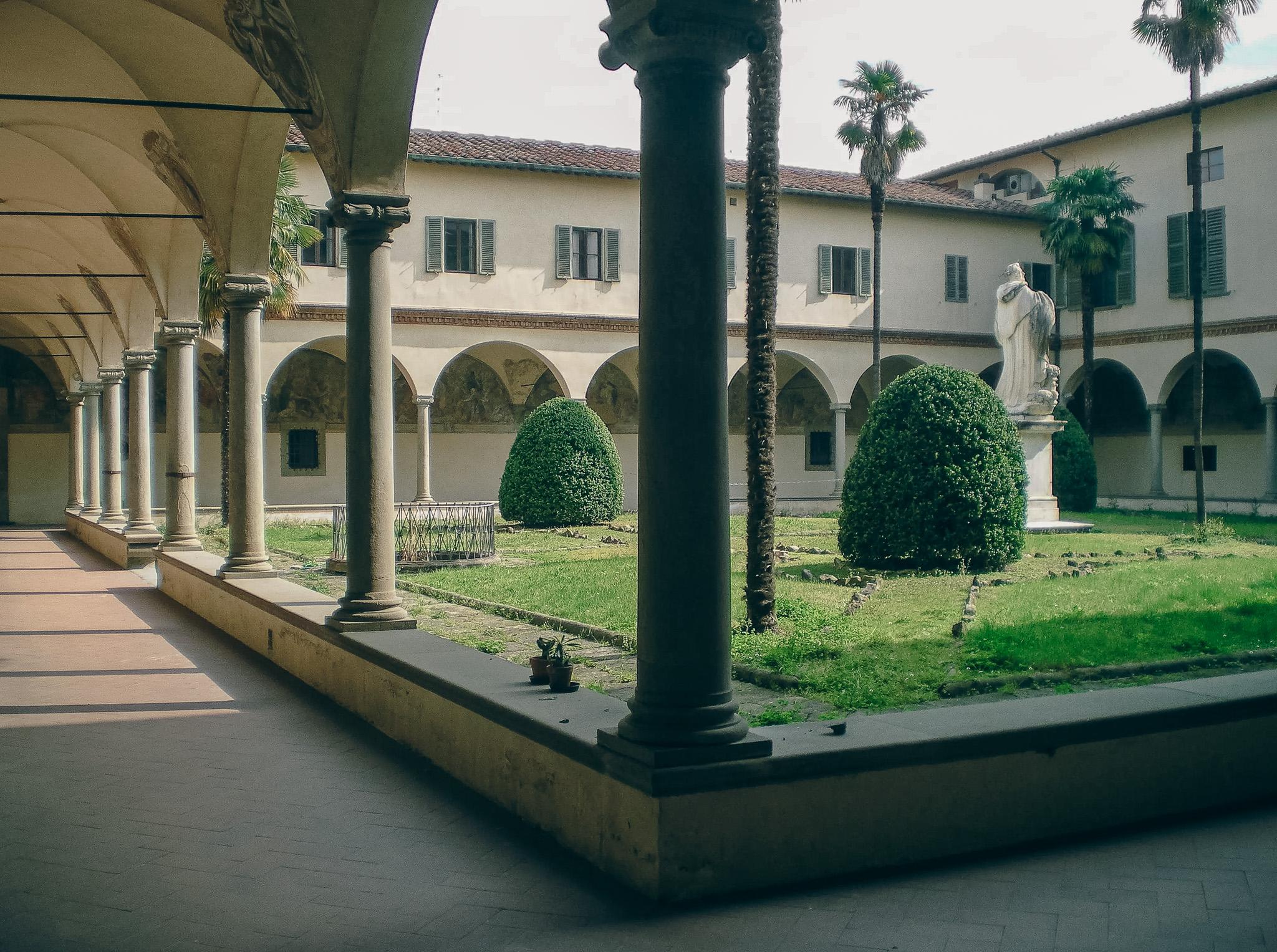 Cloister of San Marco, Florence (15th c.). Michelozzo.
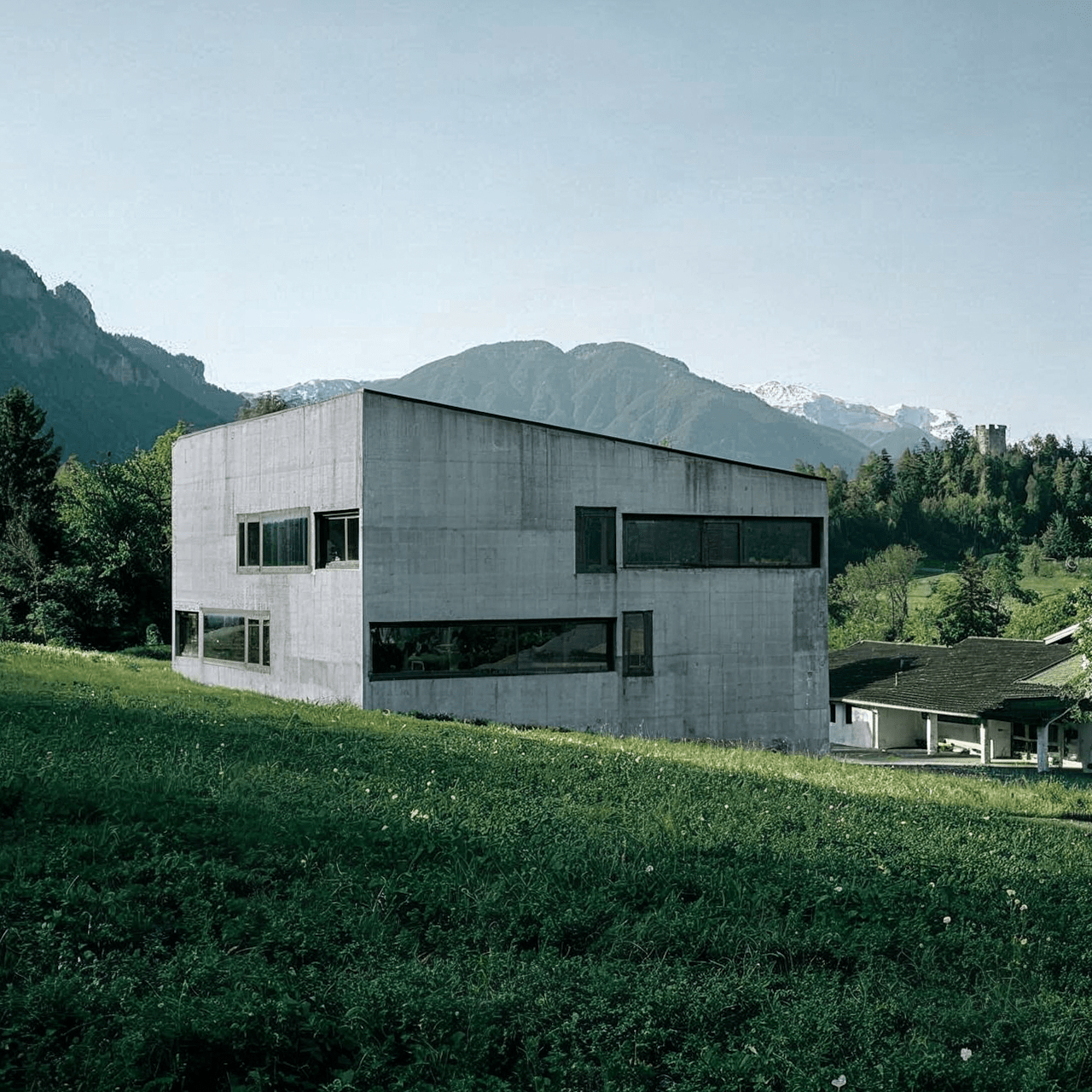 Valerio Olgiati, School in Paspels (1998).
These two ideas are simple to name and very difficult to practise. The buildings that demonstrate them best are often the ones that look easy. The Pantheon. The cloister of San Marco in Florence. A cottage in the Alpujarras. A Greek island house. Olgiati’s school in Paspels. There is no ornament hiding the decisions. The proportions are right. The composition is settled. The building seems to have always been there.
What proportion and composition are not is style. They are not a period, a movement, a region. They survive every change of fashion because they precede fashion. A Romanesque cloister and a Pawson chapel obey the same rules. The materials change, the language changes, the proportions and the composition do not.
In our work, this is the layer we try to settle first, before anything else. Before the choice of material, before the conversation about colour, before the discussion of detail. If the proportions are right and the composition is clear, the rest follows. If they are wrong, no later decision can rescue the building.
Proportion and composition are the part of architecture that does not depend on time, on place, on programme. They are the part that, once resolved, allows the building to be specific to its time, its place and its programme without losing anything essential.
Everything else is conversation. These are the foundations.